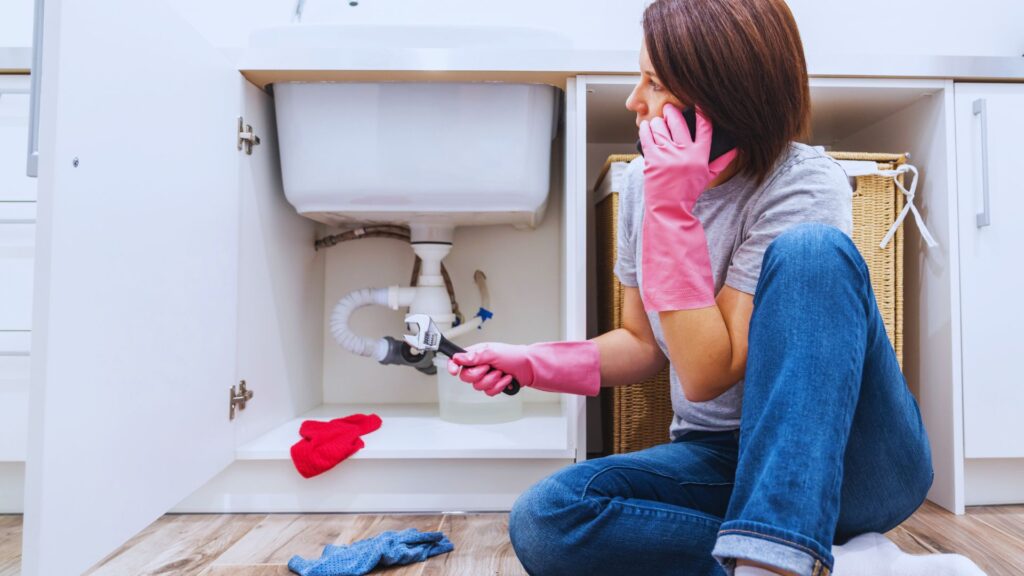


There’s little that disrupts daily comfort more than turning on the tap and getting a trickle instead of a steady stream of water. For many homeowners in the Denver metro area, especially during the summer when water demand peaks, low water pressure can be a persistent frustration. Understanding the likely causes not only helps pinpoint the issue but can also save you money and prevent further plumbing problems. Here’s what to check if water pressure in your home suddenly takes a dip.
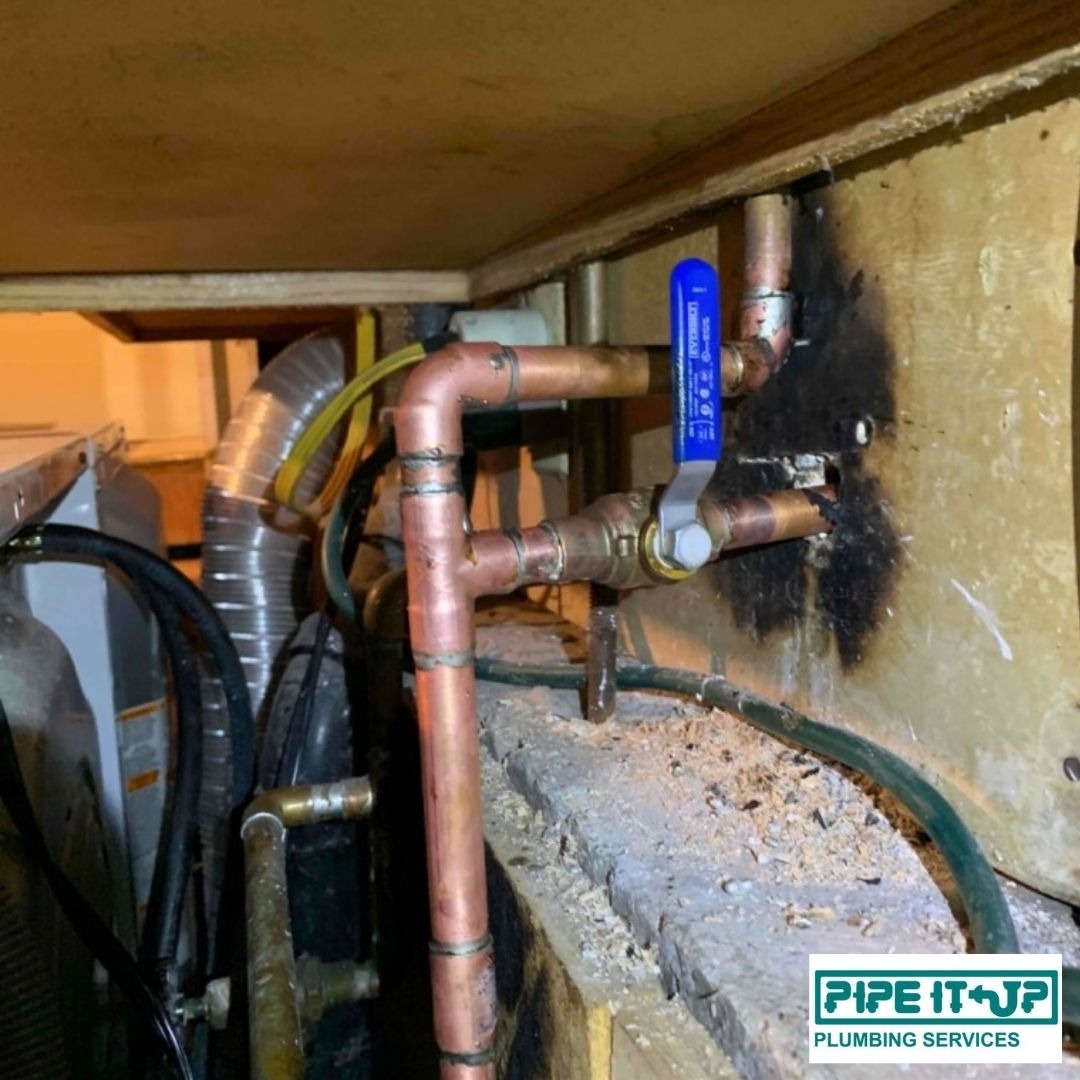
Look for Hidden Leaks Inside and Outdoors
Hidden leaks are among the most common culprits behind reduced water pressure, and they can occur in walls, under floors, or even underground in your main supply line. In Aurora and the wider Denver area, shifts in soil from seasonal weather changes can exacerbate these leaks. Keep an eye out for:
-
Unexpectedly high water bills
-
Damp spots or unexplained mold indoors
-
Wet patches in your yard even when it hasn’t rained
If you notice any of these warning signs, locating and repairing leaks swiftly is crucial. Not only does this minimize structural damage, but it also conserves water, a top concern during Colorado’s warm, dry summers.
Assess for Mineral Buildup and Sediment Blockages
Denver’s water supply is known to be moderately hard, meaning it contains higher levels of minerals like calcium and magnesium. Over time, mineral deposits can restrict flow in your pipes, fixtures, and especially at showerheads and faucets. You might notice a white or greenish residue on plumbing fixtures or a slow drop in water flow.
A simple cleaning with a solution like vinegar can dissolve some buildup. However, extensive pipe or fixture clogs often point to more widespread mineral accumulation, which may require professional attention to fully resolve.
Evaluate Your Water Pressure Regulator
Homes in Denver’s older neighborhoods or with aging pipe systems may have a pressure-reducing valve or pressure regulator near the main water entry point. This device helps prevent excessive water pressure from damaging your plumbing, but when it fails, you’ll experience inconsistent or low water pressure throughout the house.
If you suspect the pressure regulator is acting up, look for sudden pressure drops or pressure that fluctuates as you move from one fixture to another. An experienced plumber can test and calibrate or replace the regulator as needed to restore normal flow.
Check for Damaged or Aging Pipes
Pipe corrosion or physical damage is another reason why water might not flow as it should, especially in homes built before the 1980s, which may have galvanized steel pipes that are prone to rusting internally. Denver’s seasonal freeze-thaw cycles can also impact buried plumbing systems, resulting in cracks or breaks.
If you hear banging noises (water hammer), see rust-colored water, or find persistent low pressure in specific areas of your home, these signs suggest it’s time to consider professional pipe inspection. In some cases, repiping or trenchless pipe repair may be the best long-term solutions.
When to Call a Professional Plumber
Although some minor water pressure issues can be handled with DIY solutions like cleaning aerators, many fixes, especially those involving hidden leaks, regulator issues, or complex mineral buildup require the tools and training of a licensed local plumber. Attempting repairs without the proper knowledge can make problems worse or fail to address the underlying cause.
Restore Normal Water Pressure in Aurora, CO with Pipe It Up Plumbing
Don’t let low water pressure diminish your quality of life, especially during the busy summer months in Aurora, CO and the Denver metro area. If the steps above haven’t restored steady pressure, it’s time to consult the professionals. Contact Pipe It Up Plumbing by calling 720-361-0200 or fill out the online form on our contact page to schedule service. Our experienced technicians are ready to quickly diagnose and restore your home’s water flow.